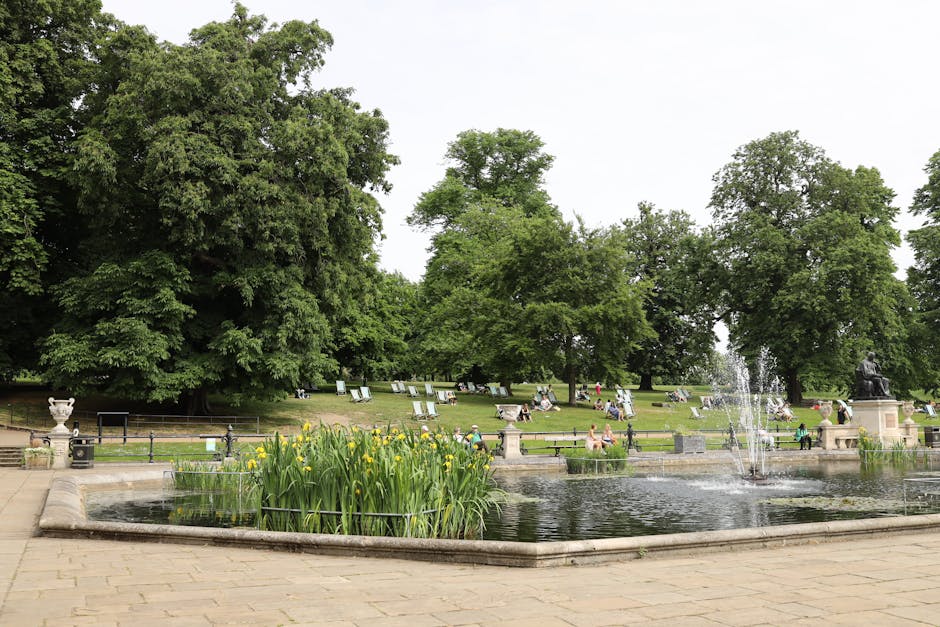
Walpole Park event stain removal and cleaning in Ealing W5
If you have ever helped clear up after a busy community gathering, a wedding marquee, a charity fair, or a summer event near Walpole Park, you will know the same thing tends to happen every time: the day starts tidy, then suddenly there are drink spills, food marks, muddy footprints, and a few "how did that get there?" patches on carpets, rugs, upholstery, and hard floors. Walpole Park event stain removal and cleaning in Ealing W5 is really about getting those spaces back to normal quickly, safely, and without making the damage worse.
This guide explains what event stain cleaning involves, how professionals tackle different stains, where property owners often go wrong, and how to plan a sensible clean-up after an event in and around Ealing. It is written for people who need practical answers, not vague theory. Let's face it, once a stain has settled in, time matters.
Table of Contents
- Why Walpole Park event stain removal and cleaning in Ealing W5 Matters
- How Walpole Park event stain removal and cleaning in Ealing W5 Works
- Key Benefits and Practical Advantages
- Who This Is For and When It Makes Sense
- Step-by-Step Guidance
- Expert Tips for Better Results
- Common Mistakes to Avoid
- Tools, Resources and Recommendations
- Law, Compliance, Standards, or Best Practice
- Options, Methods, or Comparison Table
- Case Study or Real-World Example
- Practical Checklist
- Conclusion
- Frequently Asked Questions
Why Walpole Park event stain removal and cleaning in Ealing W5 Matters
Event spaces do not stay clean by accident. Even a well-run gathering leaves behind traces: sticky soft drinks on fabric, red wine on light carpet, grass and soil at entrances, grease around refreshment tables, and black scuffing from chairs being moved around. In a green setting like Walpole Park, the mix is often a bit more varied than in a standard indoor room. You may see outdoor mud dragged in, leaf debris, and moisture transferred from shoes and equipment.
Why does that matter? Because stains are not just cosmetic. If they are not handled properly, they can set deeper into fibres, leave smells behind, or cause permanent discolouration. Some marks also attract more dirt later, which means a patch that should have been small starts to spread. A simple spill can turn into a longer-term maintenance issue. Not ideal.
There is also the reputation side. If you are managing a venue, coordinating an event, or looking after a property near Ealing W5, the condition of the space after an event says a lot about standards. A clean handover makes future bookings easier, reduces complaints, and keeps surfaces in better condition for longer.
For properties that need broader maintenance, many managers also combine stain treatment with deep cleaning or scheduled regular cleaning so the aftermath does not keep returning in small, annoying ways.
How Walpole Park event stain removal and cleaning in Ealing W5 Works
Good event clean-up is a process, not a quick scrub. The exact method depends on the stain type, the surface material, how long the mark has been there, and whether the area is being cleaned after a one-off gathering or as part of ongoing property care.
In practice, professionals usually follow a simple logic: identify the surface, identify the contaminant, test the safest treatment, then clean, extract, and inspect. That sounds neat on paper, but in the real world it is often a judgment call. A tea spill on wool carpet is a very different problem from muddy footprints on sealed flooring or drink marks on a sofa arm.
For soft furnishings and floor coverings, suitable services often include carpet cleaning, steam carpet cleaning, rug cleaning, upholstery cleaning, and sofa cleaning. If food or drink has soaked into seating, a targeted stain removal approach is usually better than over-wetting the fabric and hoping for the best. Which, to be fair, is a common mistake.
For events with food service, support areas may need oven cleaning or patio cleaning, especially where spill paths run from indoor prep areas to outdoor seating. In mixed-use properties, hard surfaces may also need hard floor cleaning so scuffs, drink residue, and tracked-in dirt are dealt with properly.
There is usually a decision point early on: can the mark be treated on site, or does it need specialist equipment and a stronger method? That decision matters because pushing the wrong chemical or too much moisture into the stain can make removal harder, not easier. Funny how that works.
Key Benefits and Practical Advantages
Professional event stain removal is not just about making a room look better for photos. It gives you a cleaner, safer, and more manageable space after a busy day. The benefits tend to show up quickly.
- Better stain lift - fresh marks are removed before they penetrate deeper into fibres.
- Reduced odour - spills, food residues, and damp patches are less likely to leave lingering smells.
- Lower risk of permanent damage - correct chemistry and extraction can protect the finish.
- Faster turnaround - useful if the same hall, room, or venue is needed again soon.
- Better presentation - important for venue hire, hospitality, and community use.
- More predictable outcomes - you are not guessing with improvised cleaning products.
If the event took place in a business setting, the same logic applies to commercial cleaning and commercial carpet cleaning. Public-facing spaces need to look cared for, and after an event that can mean a surprisingly long list of tiny details: door thresholds, chair legs, skirting, entry mats, and the odd tea splash behind a buffet table.
Expert summary: The best post-event cleaning is the one that removes the stain without creating a second problem. That means choosing the right method for the surface, drying it properly, and checking the result once the area has settled.
Who This Is For and When It Makes Sense
This kind of cleaning is useful for a lot of people, not just venue managers. In and around Walpole Park and Ealing W5, the most common users tend to fall into a few groups.
- Event organisers who need the space returned in good order.
- Community groups hosting gatherings, performances, or seasonal activities.
- Venue owners and landlords dealing with guest damage or spill marks.
- Households who have hosted a celebration and now need help with carpets, upholstery, or hard floors.
- Hospitality and rental operators who need a quick reset before the next booking.
It also makes sense when the damage is not dramatic but still annoying: a pale patch on a carpet where someone knocked a drink over, faint muddy tracks from a wet entrance, or grease spotting on a sofa that came from a buffet table being too close to the seating area. Small marks can be more frustrating than big ones, honestly, because they linger in your eye every time you walk past.
If the clean-up is part of a move or property turnover, it may sit alongside move-out cleaning or move-in cleaning. If there has been a renovation or event setup with a lot of dust and debris, then after builders cleaning may also be relevant, especially where surfaces need a proper reset rather than just a surface wipe.
Step-by-Step Guidance
Here is a practical way to approach event stain removal after a gathering near Walpole Park. It keeps things calm and reduces the chance of making the damage worse.
- Identify the surface first. Carpet, wool rug, synthetic fibre, velvet, leather, sealed tile, laminate, or wood all behave differently.
- Check the stain type. Food, drink, mud, grease, make-up, ink, pet mess, or general grime all need different treatment.
- Blot, do not scrub. Scrubbing pushes the stain further in and roughs up the fibres.
- Test a small area. Especially on delicate textiles and coloured fabrics.
- Use the least aggressive method that can work. This is usually the safest route.
- Extract or wipe thoroughly. Leftover product can attract dirt later.
- Dry the area fully. Airflow matters more than people think.
- Inspect in daylight. Artificial light can hide a pale ring or patch that shows up later.
For fabrics and seating, it can help to separate the issue into two parts: visible staining and hidden residue. A sofa might look fine after a quick dab, but still hold a sugary patch that later turns sticky and attracts dust. That is where specialist pet stain odour removal techniques can be useful too, because spill cleaning and odour control overlap more than people expect. Not every smell is pet-related, of course, but the same principle applies: treat the source, not just the surface.
For larger indoor areas, a sensible sequence is to clear loose debris, deal with the wet spots first, then move to stain treatment and final finishing. If you clean the whole room randomly, you can end up walking dirty moisture back over areas you already treated. A bit frustrating, and avoidable.
Expert Tips for Better Results
The small details make a big difference. In our experience, most good results come from restraint, timing, and matching the treatment to the material.
- Act early. Fresh spills are far easier to treat than dried, heat-set marks.
- Work from the outside in. This helps prevent the stain spreading into a wider halo.
- Use microfibre wisely. It is good for lifting residue, but it is not a magic wand.
- Be careful with home remedies. Vinegar, baking soda, and washing-up liquid can help in some cases, but they can also create residue or colour change.
- Pay attention to drying. A damp patch left under furniture can cause trouble later.
- Keep traffic away until fully dry. One hurried step can undo a lot of careful work.
For events that have involved outdoor spillover or a lot of foot traffic, you may also want to look at patio cleaning and window cleaning as part of the final presentation. It sounds obvious, but people notice the whole setting, not just the main hall. A clean entrance and clear glass can change how the whole space feels.
Another useful habit: keep a simple stain log after recurring events. Just note the surface, the stain source, what was used, and what worked. It saves time next time. A bit old-school maybe, but effective.
Common Mistakes to Avoid
Some cleaning mistakes are so common that you almost expect them. The issue is, they are usually the ones that cost the most later.
- Rubbing aggressively. This can spread the mark and damage pile direction or fabric texture.
- Using too much water. Over-wetting can push staining deeper into the backing.
- Applying strong chemicals without testing. This can bleach, ring, or distort the surface.
- Ignoring the edges of the stain. The centre may disappear while the outline remains visible.
- Cleaning only the visible patch. Surrounding residue may still be there.
- Skipping drying and ventilation. That is how musty smells hang around after the event is over.
One more thing people sometimes miss: a stain is not always the problem you can see. Mud may carry grit that scratches hard flooring. A soft drink spill may leave sugars behind on upholstery. A greasy food mark may wick slowly into the backing over time. So the clean-up should match the hidden damage, not just the visible stain. Simple, but easy to overlook when you are tired and the event has just ended.
Tools, Resources and Recommendations
You do not need a warehouse of equipment to handle post-event cleaning well, but you do need the right basics. For lighter on-site response, useful tools often include absorbent cloths, a vacuum with good suction, a soft brush, pH-safe cleaning agents, and clean water for controlled rinsing. For more involved jobs, extraction equipment and specialist solutions are often better.
Different surfaces need different care:
- Carpets and rugs: spot treatment, extraction, and careful drying.
- Upholstery: low-moisture methods and fabric testing.
- Hard floors: residue removal, scuff lifting, and finish-safe products.
- Shared entrances and hallways: focused attention on mats, thresholds, and high-traffic corners.
If the event has affected a residential property rather than a venue, related services such as house cleaning, domestic cleaning, and one-off cleaning can be a sensible fit. For longer-term upkeep, regular cleaning helps stop post-event residue from building into a pattern of wear.
There is also a practical choice between DIY spot work and scheduled professional intervention. DIY is fine for minor, fresh marks if you know the material. But if the stain is old, large, or on a delicate surface, professional treatment usually gives a more reliable result. You are paying for judgment as much as equipment, really.
Law, Compliance, Standards, or Best Practice
For event cleaning, the main compliance issues are usually practical rather than dramatic: safe product use, proper handling of waste water or cleaning waste, protection of surfaces, and making sure the work is carried out without unnecessary risk to people or property. In the UK, that generally means following sensible health and safety practices, reading product instructions carefully, and making sure the people doing the work understand the material they are cleaning.
If you are managing a venue or commercial site, insurance and method statements matter more than people sometimes realise. You want to know that cleaners are working safely, that access routes are clear, and that any likely hazards are dealt with properly. A reputable provider should be able to explain how they approach these issues in plain English. If that explanation feels vague, trust your instincts.
For peace of mind, it can help to review a provider's health and safety policy, insurance and safety information, and terms and conditions before booking. If you are comparing options, pricing and quotes should be clear enough that you understand what is included. No one likes a surprise add-on. Not even a small one.
Where sustainability is a concern, you can also ask how waste and water use are handled. A responsible approach to recycling and sustainability may be relevant if you are cleaning after a large event with packaging, disposable cups, or other mixed waste. The exact handling will depend on the job, but the principle is the same: clean well, waste less where you can.
Options, Methods, or Comparison Table
Choosing the right method depends on the stain, surface, and urgency. Here is a simple comparison that may help.
| Method | Best for | Strengths | Limitations |
|---|---|---|---|
| Light spot treatment | Fresh minor marks on suitable surfaces | Quick, affordable, targeted | Not ideal for deep or old stains |
| Steam or hot water extraction | Carpets, rugs, some upholstery | Good soil removal and residue control | Needs proper drying and material suitability |
| Low-moisture fabric cleaning | Delicate upholstery and seating | Lower drying time, safer on some fabrics | May not remove heavy contamination alone |
| Hard floor cleaning | Sealed floors, entrances, scuffs, tracked dirt | Handles surface residue and presentation well | Not suitable for every finish without care |
| Full post-event deep clean | Large events, mixed-use rooms, repeated bookings | More complete reset of the space | Needs more time and planning |
In many cases, the best answer is a combination. For example, a hall may need spot treatment on the main carpet, upholstery cleaning on a few chairs, and hard floor cleaning at the entrances. One method rarely fixes every issue after a busy event. That is just the honest version.
Case Study or Real-World Example
Here is a realistic example based on the kind of work people often need after a community event. A local organiser hires a hall near Walpole Park for an afternoon fundraiser. The room is fine during the event, but by evening there are three clear problems: a tea spill near the serving table, muddy marks at the entrance, and a faint sticky patch on a fabric chair where a drink was knocked over.
The clean-up starts with dry removal of loose debris, then spot treatment of the carpet spill with careful extraction. The chair is checked for fabric type before any cleaner is applied, because the wrong product could easily leave a ring or change the colour. Finally, the entrance flooring is cleaned so the tracked-in soil does not keep spreading through the room the next day.
Nothing dramatic happened, which is actually the point. The stains were addressed before they became a bigger issue. The room looked tidy again, there was no lingering smell, and the organiser could hand it back without that awkward "sorry about the carpet" conversation. Small win, but a real one.
In a slightly larger property turnover, the same approach might be paired with end of tenancy cleaning or, where furniture is involved, mattress cleaning and curtain cleaning. Event residue does not always stay where the event happened.
Practical Checklist
Use this checklist if you are preparing for or recovering from an event in Ealing W5.
- Identify the stained surface before touching the mark.
- Remove loose debris, crumbs, and grit first.
- Blot fresh liquid spills immediately.
- Separate food, drink, mud, grease, and odour problems.
- Test cleaning products on an inconspicuous area.
- Use the least aggressive method that can do the job.
- Check edges and backing for hidden residue.
- Dry the area fully before allowing traffic back in.
- Inspect in daylight once the surface is dry.
- Consider professional help for delicate fabrics or old stains.
- Keep a note of what was used and what worked.
- Plan broader maintenance if the space gets used often.
If you are also preparing guest-facing or rental accommodation, it may be worth looking at Airbnb cleaning or move-in cleaning to make sure every room feels fresh, not just the event area.
Get a free quote today and see how much you can save.
Conclusion
Walpole Park event stain removal and cleaning in Ealing W5 is really about control: controlling stain spread, controlling drying time, controlling damage, and controlling the first impression people get when they walk back into the space. Whether you are dealing with one obvious spill or a full post-event tidy-up, the best results come from prompt action, the right method, and a calm, practical approach.
If you are unsure, that is perfectly normal. Stains can look simple and still be surprisingly stubborn. The good news is that most event-related marks can be improved a lot when they are handled properly and promptly. And once the space is clean again, the whole place feels lighter somehow. Calmer. Ready for the next thing.
Frequently Asked Questions
What is the best way to handle event stains near Walpole Park?
The best approach is to identify the surface, blot fresh spills, and use the safest treatment for the material. For carpets, rugs, and upholstery, professional stain removal is often the most reliable option.
How quickly should I clean a spill after an event?
As soon as possible. Fresh stains are much easier to remove than dried ones, and fast action also reduces the risk of odour and permanent marking.
Can I use household products on every stain?
No. Some household products can help, but others can bleach fabric, leave residue, or push the stain deeper. Always test first and avoid guessing on delicate materials.
Is steam cleaning suitable after an event?
Steam carpet cleaning can work very well on suitable carpets and some floor coverings, especially when there is general soiling as well as staining. It is not right for every surface, so material checks matter.
What if the stain is on a sofa or chair?
Upholstery needs more care because too much moisture can damage fillings or leave rings. Upholstery cleaning and sofa cleaning methods are usually better than a heavy DIY soak.
Do muddy footprints count as a stain problem?
Yes, because mud can contain grit that abrades fibres and floor finishes. It also leaves a visible mark that can spread if people keep walking over it.
How do I stop a stain from spreading while I wait for help?
Blot gently with a clean cloth, avoid scrubbing, and keep foot traffic away from the area. If possible, keep the surface dry and ventilated until a proper clean can be done.
Can event cleaning be combined with regular maintenance?
Absolutely. Many spaces benefit from one-off cleaning after the event, then regular cleaning afterwards to keep the area looking consistent and reduce long-term wear.
What should I ask a cleaning provider before booking?
Ask what surfaces they can treat, how they handle stain testing, what drying times to expect, and whether their insurance and safety arrangements are suitable for your property.
Are there special concerns for venues used by the public?
Yes. Public and commercial spaces should be cleaned with sensible health and safety practices, clear access routes, and attention to slip risk, especially if floors have been treated and are still drying.
What if the event also affected carpets, curtains, and bedding?
Then a broader clean may be needed. Carpet cleaning, curtain cleaning, and mattress cleaning can all be relevant when spill marks or odours have travelled beyond the main event area.
How do I know if the stain is permanent?
You usually do not know straight away. Some stains improve a lot with the right treatment, while others need multiple steps. The sooner it is dealt with, the better the chance of a good result.
Should I choose a deep clean or a spot clean after a party?
If there are only one or two small spills, spot cleaning may be enough. If there was heavy foot traffic, mixed stains, or visible residue across several areas, a deeper clean is usually a better call.
Who is this type of cleaning most useful for?
It is useful for organisers, landlords, venue managers, homeowners, and anyone who needs a post-event reset in Ealing W5 without leaving stains to settle in and get worse.
If you want a cleaner, calmer handover after an event, start with the right method, act early, and choose help that treats the space with care. That is what makes the difference, really.